Tree Pests to Watch for in North Carolina This Spring
Protect Your Saplings and Trees from Common Bugs
As temperatures begin to rise across North Carolina, spring brings new growth, blooming landscapes, and unfortunately, increased pest activity. While many homeowners focus on lawn care and landscaping during the spring season, it’s equally important to pay attention to the health of your trees. Insects and tree pests become especially active during warmer months and can quickly damage or weaken healthy trees if left untreated.
At first, signs of a tree pest infestation may seem minor, such as small holes in bark, thinning leaves, or unusual discoloration, but many pests can cause long-term structural damage or even kill trees over time. Early detection and professional tree care can help protect your property, preserve your landscape, and prevent costly tree removal in the future.
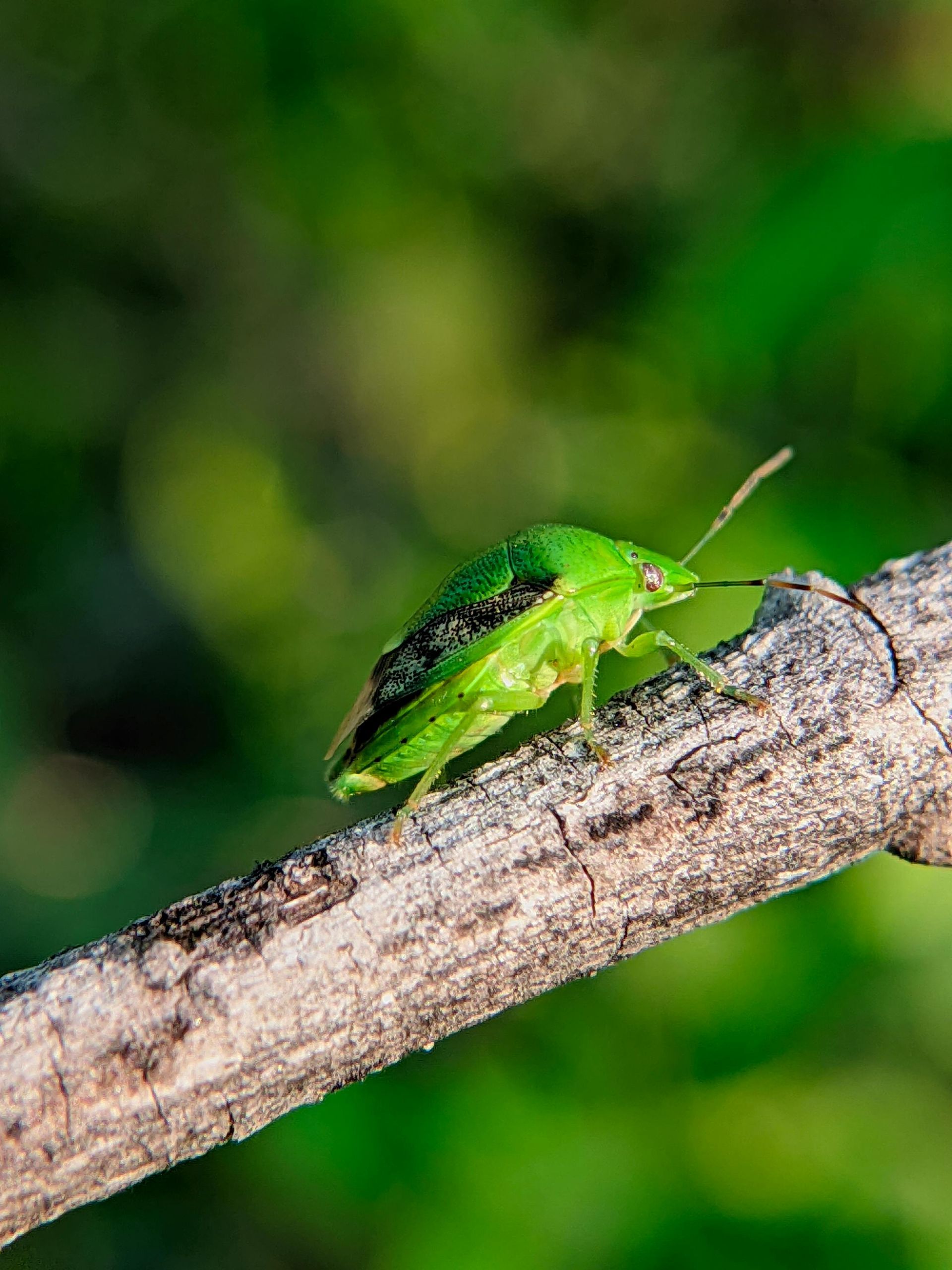
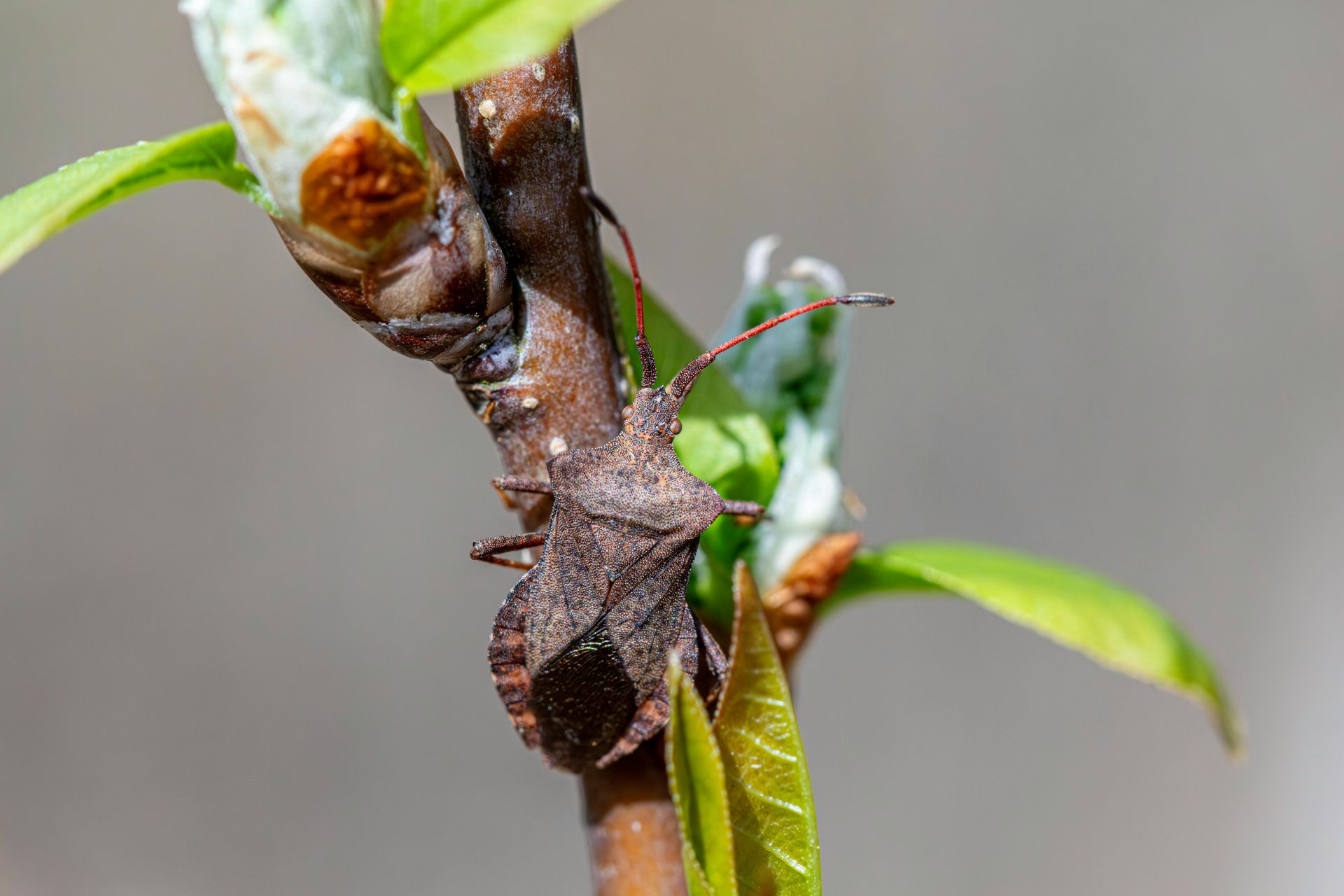
Emerald Ash Borer
The emerald ash borer is one of the most destructive invasive tree pests affecting ash trees throughout North Carolina. These metallic green beetles lay eggs on ash trees, and once the larvae hatch, they tunnel beneath the bark and disrupt the tree’s ability to transport water and nutrients.
Signs of Emerald Ash Borer Damage:
Thinning leaves or canopy dieback
D-shaped exit holes in bark
Increased woodpecker activity
Bark splitting or cracking
Dead branches near the top of the tree
Without treatment, infested ash trees often die within a few years. Early detection is critical to improving the chances of saving affected trees.
Southern Pine Beetles
Southern pine beetles are a serious threat to pine trees across North Carolina, especially during warm weather and drought conditions. These small beetles burrow into pine bark and introduce fungi that block the tree’s water supply.
Common Warning Signs:
Yellow, red, or brown pine needles
Small holes in bark
Resin or sap tubes on the trunk
Rapid tree decline
Falling bark flakes around the base
Pine beetle infestations can spread quickly from tree to tree, making prompt treatment essential.
Aphids
Aphids are tiny insects that feed on tree sap and are commonly found on ornamental trees, shade trees, and flowering species during the spring. While small populations may not cause severe damage, larger infestations can weaken trees and lead to additional pest problems.
Symptoms of Aphid Infestations:
Curled or distorted leaves
Sticky residue called honeydew
Black sooty mold growth
Increased ant activity
Stunted new growth
Professional tree care services can help control aphid populations before they impact tree health.
Scale Insects
Scale insects are another common spring pest in North Carolina landscapes. These insects attach themselves to branches, twigs, and leaves while feeding on plant sap. Because they often resemble bumps or growths on bark, infestations can go unnoticed for long periods.
Signs of Scale Damage:
Yellowing leaves
Premature leaf drop
Weak or dying branches
Sticky residue on leaves or surfaces below
Reduced tree growth
Certain varieties of scale insects can severely weaken ornamental and fruit trees if not treated properly.
Bagworms
Bagworms are caterpillar pests known for creating hanging silk “bags” covered with leaves and debris. These pests commonly affect evergreen trees and shrubs throughout North Carolina.
Signs of Bagworm Activity:
Brown or thinning evergreen needles
Hanging cocoon-like bags on branches
Defoliation of trees and shrubs
Weak or stressed evergreen growth
Bagworms can quickly damage arborvitae, junipers, cedars, and other evergreen species if populations become large.
Spider Mites
Although extremely small, spider mites can cause significant stress to trees and shrubs during warm spring weather. These pests feed on plant tissue and are especially common during dry conditions.
Common Symptoms Include:
Speckled or bronzed leaves
Fine webbing on branches or foliage
Leaf discoloration
Premature leaf drop
Spider mite infestations often worsen quickly during hot weather if left untreated.
How to Protect Your Trees This Spring
Routine inspections and proper tree care are some of the best ways to protect your landscape from spring pests. Healthy trees are generally better equipped to resist infestations and recover from minor pest damage.
Helpful prevention tips include:
- Scheduling professional tree inspections
- Watering trees properly during dry periods
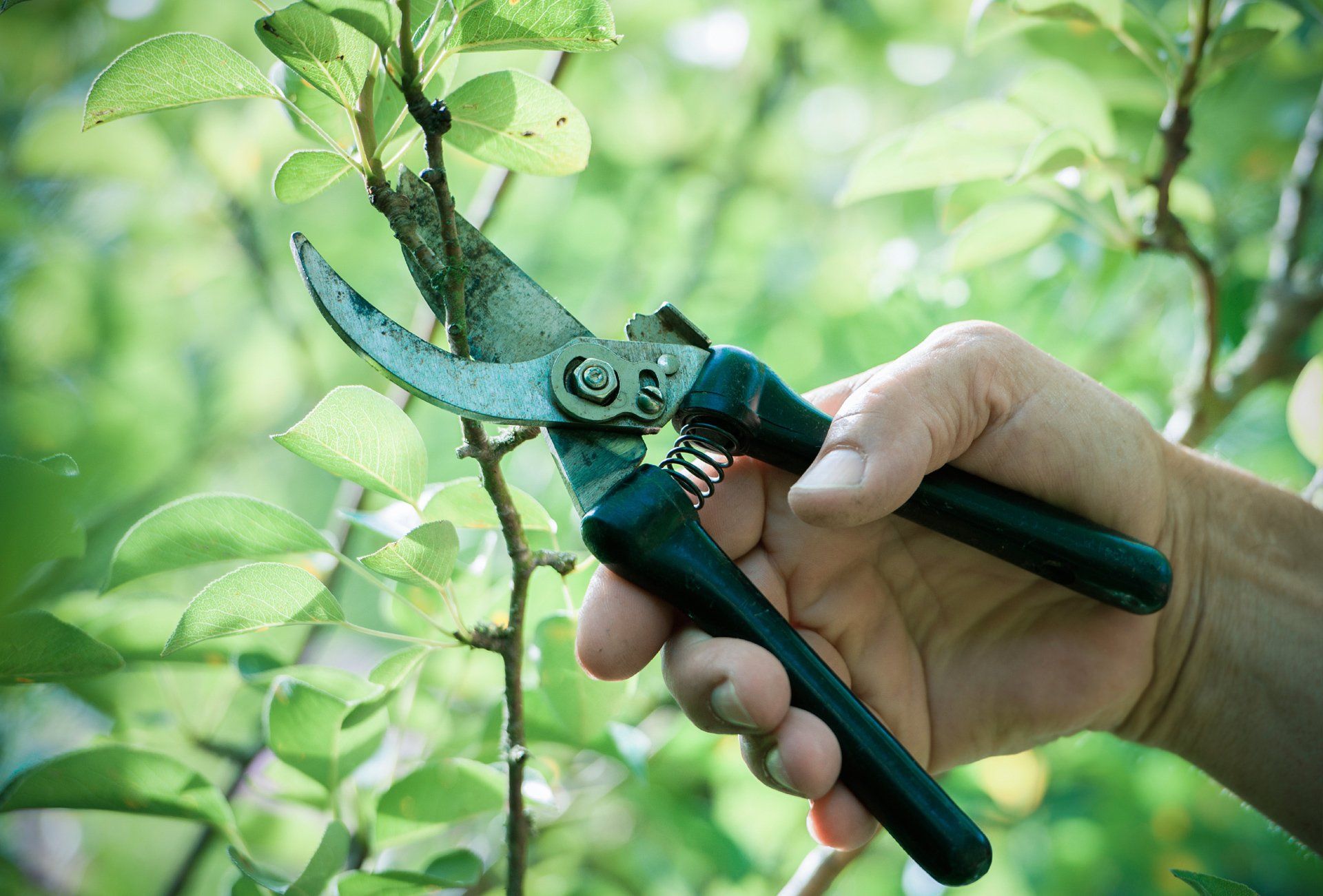
- Pruning dead or damaged branches
- Monitoring for early signs of pest activity
- Applying professional pest treatments when necessary
- Maintaining healthy soil and mulching properly
Because some pests can spread rapidly, early intervention is key to protecting nearby trees and preventing widespread damage.
Contact Us Today to Schedule a Tree Health Care Service!
If you’ve noticed unusual leaf loss, bark damage, discoloration, or signs of insects around your trees, it may be time to schedule a professional inspection. Identifying tree pests early can help prevent severe damage and protect the long-term health of your landscape.
Professional arborists can evaluate your trees, identify pest activity, and recommend the safest and most effective treatment options for your property. Spring is one of the most important times of year for proactive tree care in North Carolina, making it the ideal time to address potential pest problems before they become more serious.
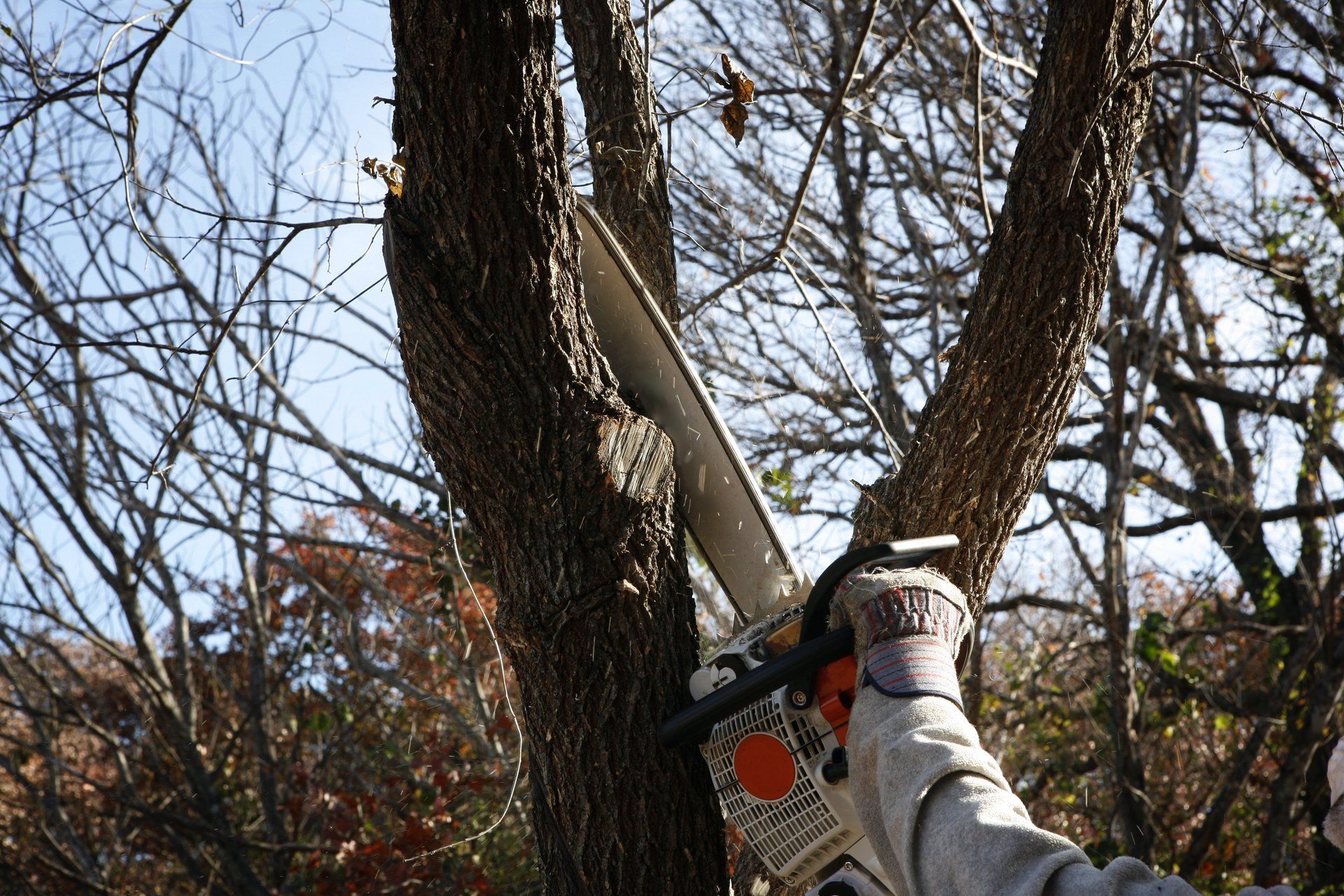
At Hill's Tree Service, our experienced crews come equipped to remove dead or diseased branches, improve tree structure, monitor tree health, and address hazardous or declining trees before they create larger safety concerns. We also provide emergency tree services for storm-damaged trees and dangerous limbs that may become vulnerable to insects and decay after severe weather.
If you suspect pest activity or your trees are showing signs of stress this spring, we welcome you to contact us today to schedule a tree health care inspection!