Spring Tree Pruning: What Should You Cut and What Should You Leave?
Spring Tree Pruning: What Should You Cut and What Should You Leave?
As spring arrives and trees begin to bud, many homeowners start thinking about pruning. While trimming can improve the health, appearance, and safety of your trees, knowing what to cut and what to leave is essential. Improper pruning can weaken a tree, reduce growth, or even cause long-term damage.
With the right approach, spring pruning can help your trees thrive throughout the growing season.
Why Spring Pruning Matters?
Pruning is more than just shaping your trees. It plays a key role in maintaining their health and structure. Removing the right branches allows for better airflow, more sunlight penetration, and stronger growth.
Spring is also a time when issues like winter damage become visible, making it easier to identify what needs attention.

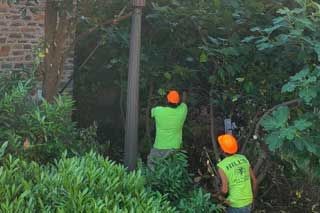
What You Should Cut
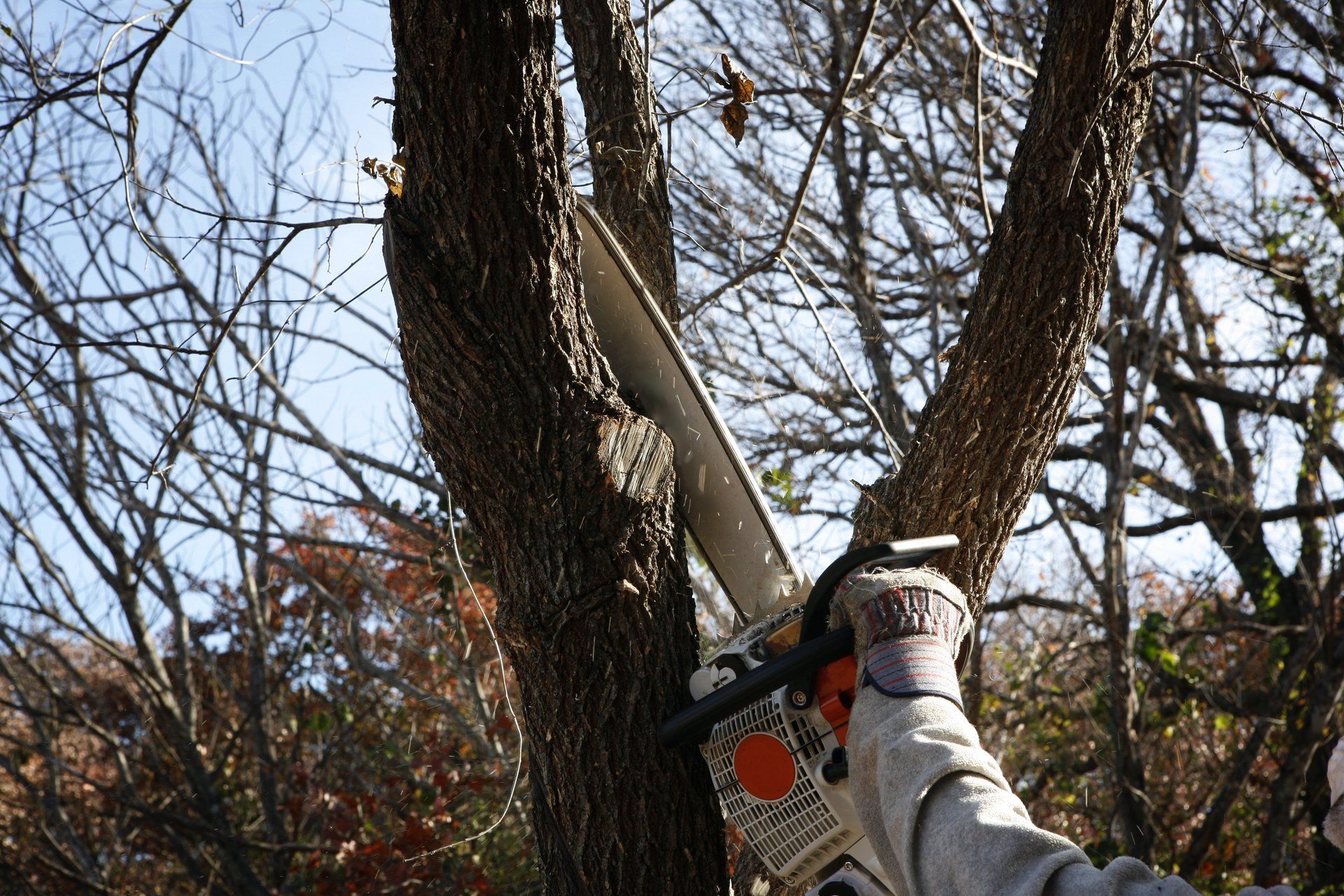
Knowing which branches to remove is the foundation of proper pruning. Focus on areas that impact the tree’s health, safety, and growth.
Dead or Damaged Branches
Start by removing any branches that are:
- Dead or brittle
- Broken from winter storms
- Showing signs of disease or decay
Crossing or Rubbing Branches
Branches that cross or rub against each other can cause wounds in the bark, creating entry points for pests and disease.
- Remove one of the competing branches
- Choose the healthier or better-positioned branch to keep
Weak or Overcrowded Growth
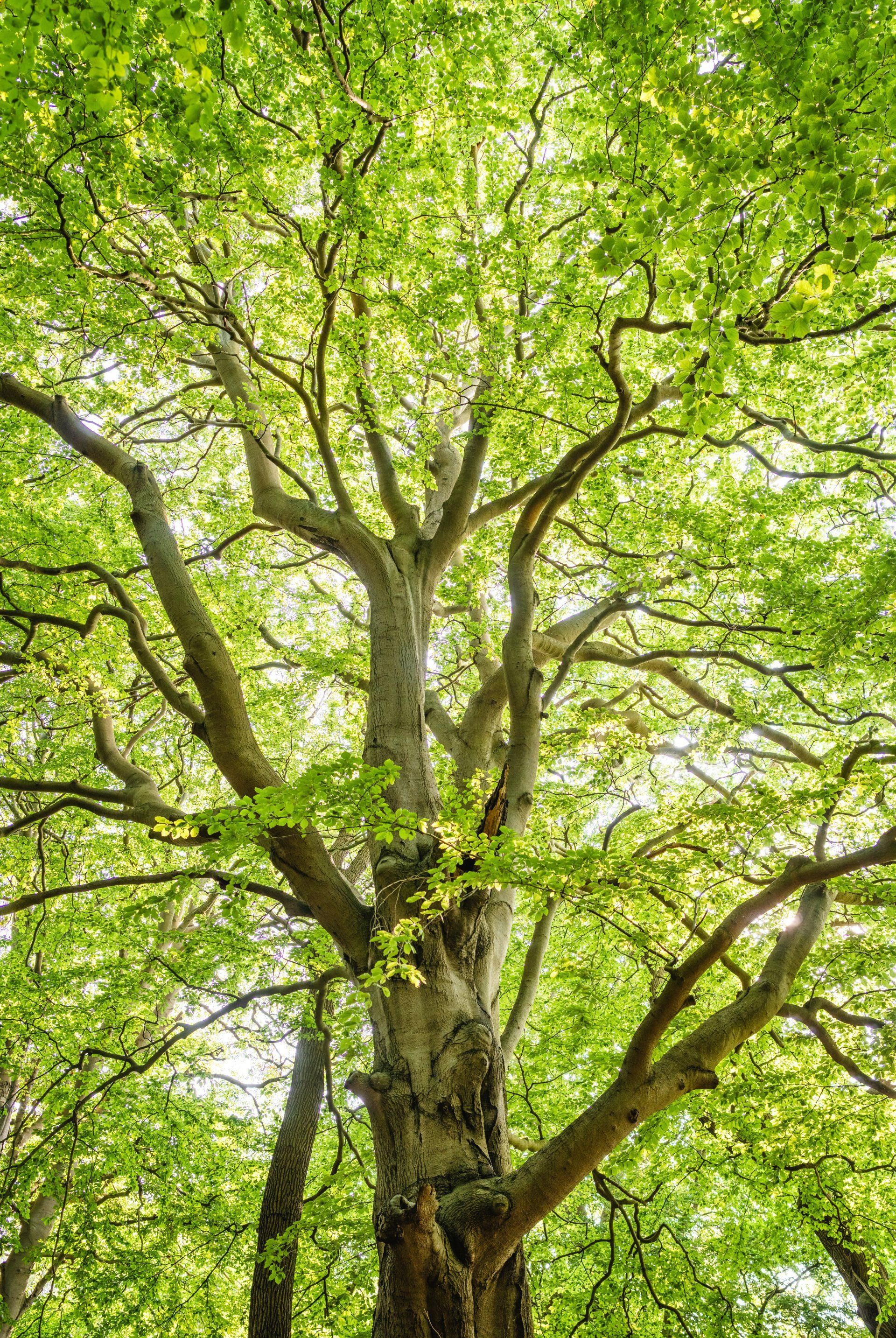
Dense canopies can block sunlight and restrict airflow, which may lead to disease.
- Thin out crowded areas
- Remove smaller, weaker branches
- Focus on creating an open, balanced structure
Suckers and Water Sprouts
These fast-growing shoots often appear at the base of the tree or along branches.
- Remove suckers growing from the roots or trunk
- Cut water sprouts that grow straight upward
What You Should Leave
Just as important as knowing what to cut is understanding what to leave alone.
Healthy, Strong Branches
Avoid removing branches that are:
- Well-positioned and structurally sound
- Free of disease or damage
- Contributing to the tree’s natural shape
Flowering Buds (for Certain Trees)
Many flowering trees develop buds before spring.
- Avoid pruning early bloomers like dogwoods or magnolias
- Pruning these trees in spring can reduce or eliminate blooms
Large, Established Branches (Unless Necessary)
Removing large branches can create significant wounds.
- Only cut large limbs if they are damaged, diseased, or hazardous
- Improper cuts can lead to decay and structural weakness
Common Spring Pruning Mistakes to Avoid
- Over-pruning, which can stress the tree
- Topping trees, which leads to weak regrowth
- Using dull or improper tools
- Pruning at the wrong time for specific tree species
Taking a careful, informed approach will help your trees stay healthy and strong. Even with good intentions, certain mistakes can harm your trees.
Contact Us Today to Schedule a Tree Health Care Service!
Spring pruning is an important step in maintaining a beautiful, healthy, and safe landscape. Regular tree trimming not only improves the appearance of your trees but also supports their long-term health and growth by removing dead, unstable, or overgrown branches that can limit airflow and sunlight. In fact, consistent pruning helps strengthen a tree’s structure, encourages new growth, and reduces the risk of damage caused by falling limbs or improper weight distribution.
By removing damaged or unnecessary growth while preserving strong, well-positioned branches, you allow your trees to grow more evenly and remain structurally sound. Addressing these issues early, especially before branches become too large, helps prevent unnecessary stress on the tree and protects your property from potential hazards.
If you are unsure where to start or want to ensure the job is done safely and correctly, professional tree care services can make a significant difference. At Hill's Tree Service, our experienced crews have the tools and knowledge to trim and shape trees properly without causing harm to surrounding structures or the tree itself. We proudly serve property owners in Durham, Chapel Hill, Hillsborough, Timberlake, Butner, Wake Forest, Roxboro, Mebane, NC, and the surrounding areas. With professional tree care, you can protect your investment, enhance curb appeal, and keep your property safe and looking its best all season long.
Contact us today to schedule a tree trimming or pruning appointment!