How to Protect Your Trees During Winter and the Storm Season
Winter Tree Protection
Your trees are a valuable part of your property. They provide shade in the summer, boost your home's curb appeal, and offer a habitat for local wildlife. As the seasons change, however, the arrival of cold weather and strong storms can pose a significant threat to their health and stability. Taking proactive steps before the first freeze or major storm can make all the difference in ensuring your trees survive and thrive for years to come. This guide will walk you through why tree protection is so important and provide practical steps you can take.
Why Winter and Storm Protection Matters
Trees that seem strong and resilient can be surprisingly vulnerable to winter conditions. The combination of freezing temperatures, heavy snow, ice, and high winds can cause serious and sometimes irreversible damage. A little preparation goes a long way in preventing common issues that can weaken or even kill a tree.
Protecting your trees helps prevent:
- Broken Branches: Heavy snow and ice can weigh down limbs, causing them to snap. This not only harms the tree but also creates a safety hazard.
- Frost Cracking: Rapid temperature fluctuations can cause the trunk to crack, creating an entry point for pests and diseases.
- Root Damage: Frozen ground can damage shallow roots, especially in young or newly planted trees.
- Dehydration: Cold, dry winds can strip moisture from evergreen needles and bark, leading to a condition known as winter burn.
By preparing for winter, you are investing in the long-term health of your landscape and preventing potential property damage from falling limbs.
Actionable Steps to Protect Your Trees
1. Inspect Your Trees
Before the weather turns, take a walk around your property and carefully inspect each tree. Look for dead, damaged, or diseased branches. These are the most likely to fail during a storm. Also, check for weak V-shaped unions where branches meet the trunk, as these are more prone to splitting than stronger, U-shaped unions.
2. Prune Wisely
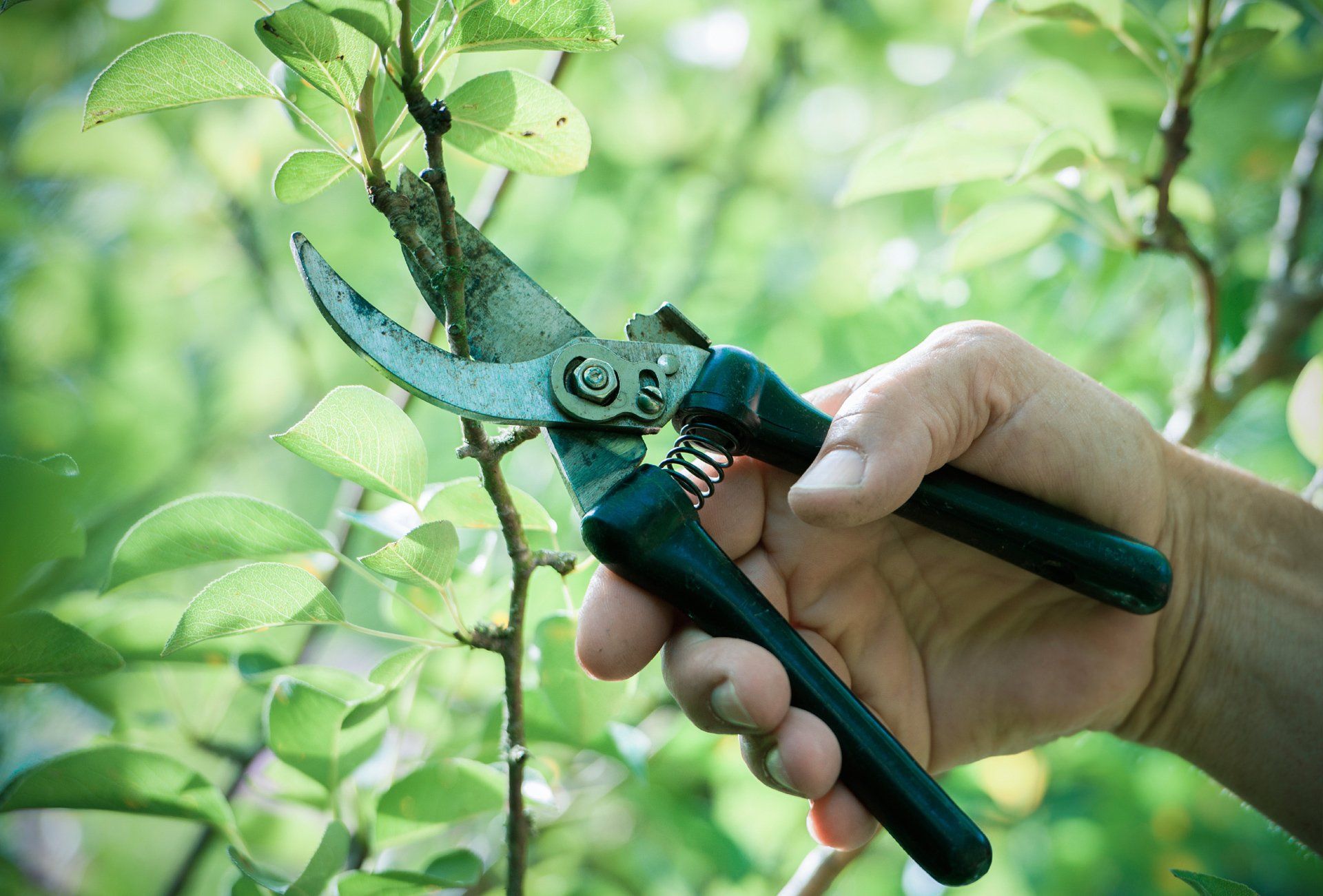
Late fall or early winter, after the leaves have dropped, is an ideal time to prune most deciduous trees. Removing weak and dead wood reduces the risk of branches breaking under the weight of snow or in high winds. Proper pruning also helps improve the tree's structure and promotes healthy growth in the spring.
3. Apply a Layer of Mulch
Mulch is one of a tree's best friends. Applying a 2- to 4-inch layer of organic mulch, such as wood chips or shredded bark, around the base of your trees provides numerous benefits. It insulates the soil, protecting roots from extreme temperature fluctuations. It also helps retain soil moisture and reduces competition from weeds.
4. Water Thoroughly Before the First Freeze
Trees need adequate moisture to get through the winter. If you've had a dry fall, give your trees a deep watering before the ground freezes solid. This is especially important for evergreens and newly planted trees. Use a soaker hose or let a regular hose trickle slowly at the base of the tree until the soil is thoroughly saturated. This ensures the tree's roots have access to water before the ground becomes an impenetrable block of ice.
5. Use Tree Wraps for Young Trees
Young, thin-barked trees are highly susceptible to frost cracking and sunscald. Protect their delicate trunks by using commercial tree wrap. Starting from the bottom, wrap the trunk up to the first set of branches, overlapping each layer by about one-third. The wrap reflects sunlight and insulates the bark, preventing the rapid temperature changes that cause cracking.
6. Provide Support with Staking or Cabling
For newly planted trees or those with a known structural weakness, staking can provide extra support against strong winds. Use two or three stakes placed outside the root ball and attach them to the trunk with wide, flexible material like canvas strapping. The ties should be snug but allow the tree to sway slightly, which helps it develop a stronger trunk.
Contact Us Today to Schedule a Tree Health Care Service!
Winter and storms present real challenges for the trees on your property. However, with a bit of foresight and preparation, you can significantly reduce the risk of damage. By inspecting, pruning, mulching, and protecting your trees, you are making a vital investment in their health and longevity.
Don't wait for the first storm to hit. Take these proactive measures to care for your trees and ensure they remain a beautiful and safe part of your landscape for many seasons to come. If you have a tree that appears unhealthy, it's important to seek professional help. Our team can inspect your tree for signs of disease or pests, diagnose the issue, and recommend a solution. While some situations may only require trimming or pest removal, others might necessitate tree removal. Attempting to remove a tree yourself, even a dead one, is extremely dangerous, but leaving a hazardous tree standing can be even riskier.
For professional tree service, including trimming, stump grinding, and safe tree removal in Durham, Chapel Hill, Hillsborough, Timberlake, Butner, Wake Forest, Roxboro, and Mebane, NC, contact us today to ensure your property and family are safe.