The Role of Tree Trimming in Pest Prevention
The Role of Tree Trimming in Pest Prevention
When most homeowners think about tree trimming, they usually focus on aesthetics or safety—keeping branches neat, healthy, and away from roofs or power lines. However, regular tree trimming also plays a crucial role in preventing pest infestations. Overgrown or unhealthy trees can become a gateway for insects, rodents, and other unwanted pests that may eventually make their way into your home.
How Overgrown Trees Attract Pests
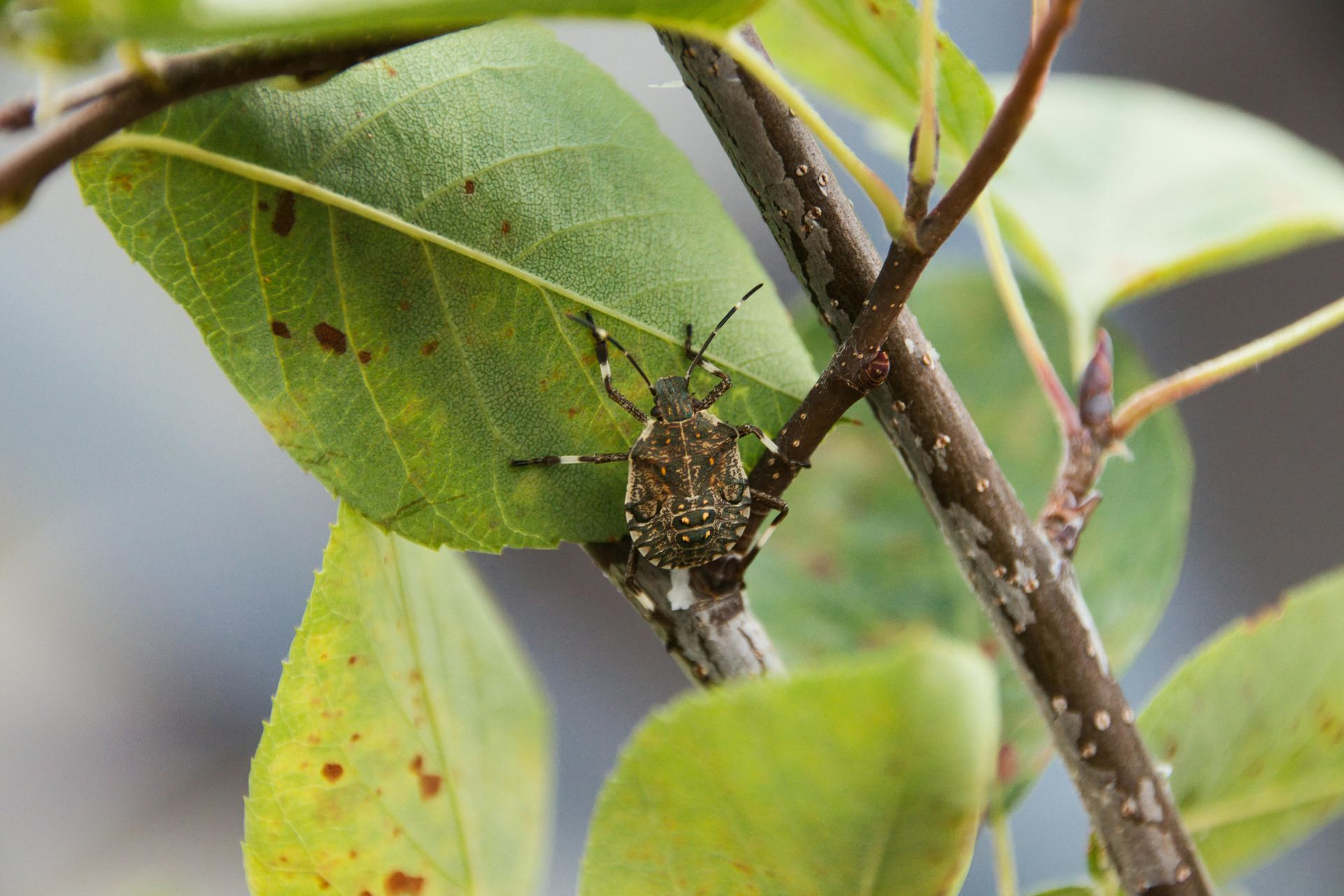
Trees that are left untrimmed often develop dense canopies, dead branches, and weak limbs. These conditions create ideal shelter and breeding grounds for pests such as termites, ants, beetles, rodents, and even mosquitoes. When branches hang too close to your house, they act as natural bridges, allowing pests easy access to roofs, attics, and siding.
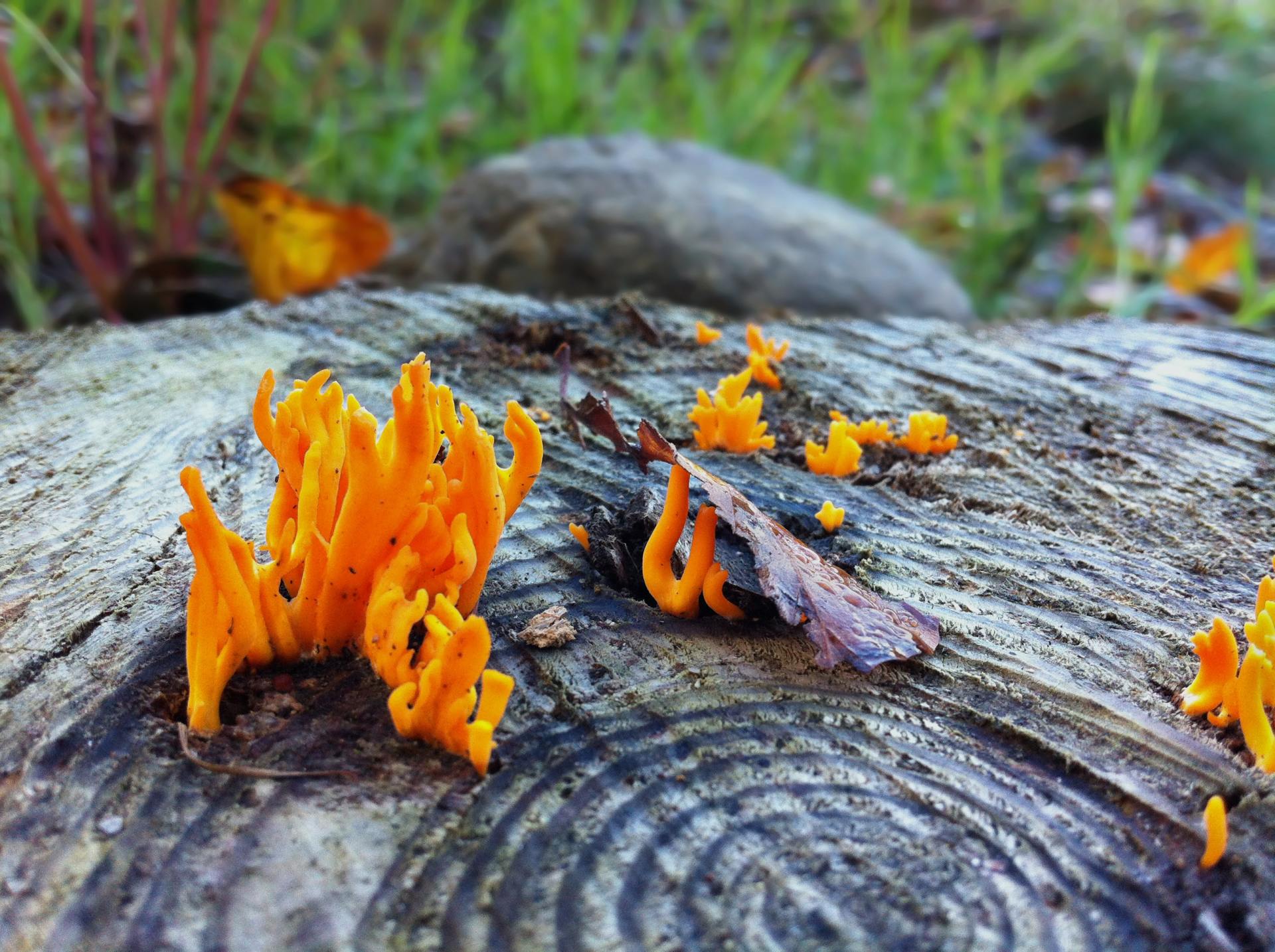
Dead or decaying wood is especially attractive to insects that feed on rotting material. Once pests establish themselves in a tree, it’s only a matter of time before they spread to nearby structures.
Actionable Steps to Protect Your Trees
Trimming Removes Pest Habitats
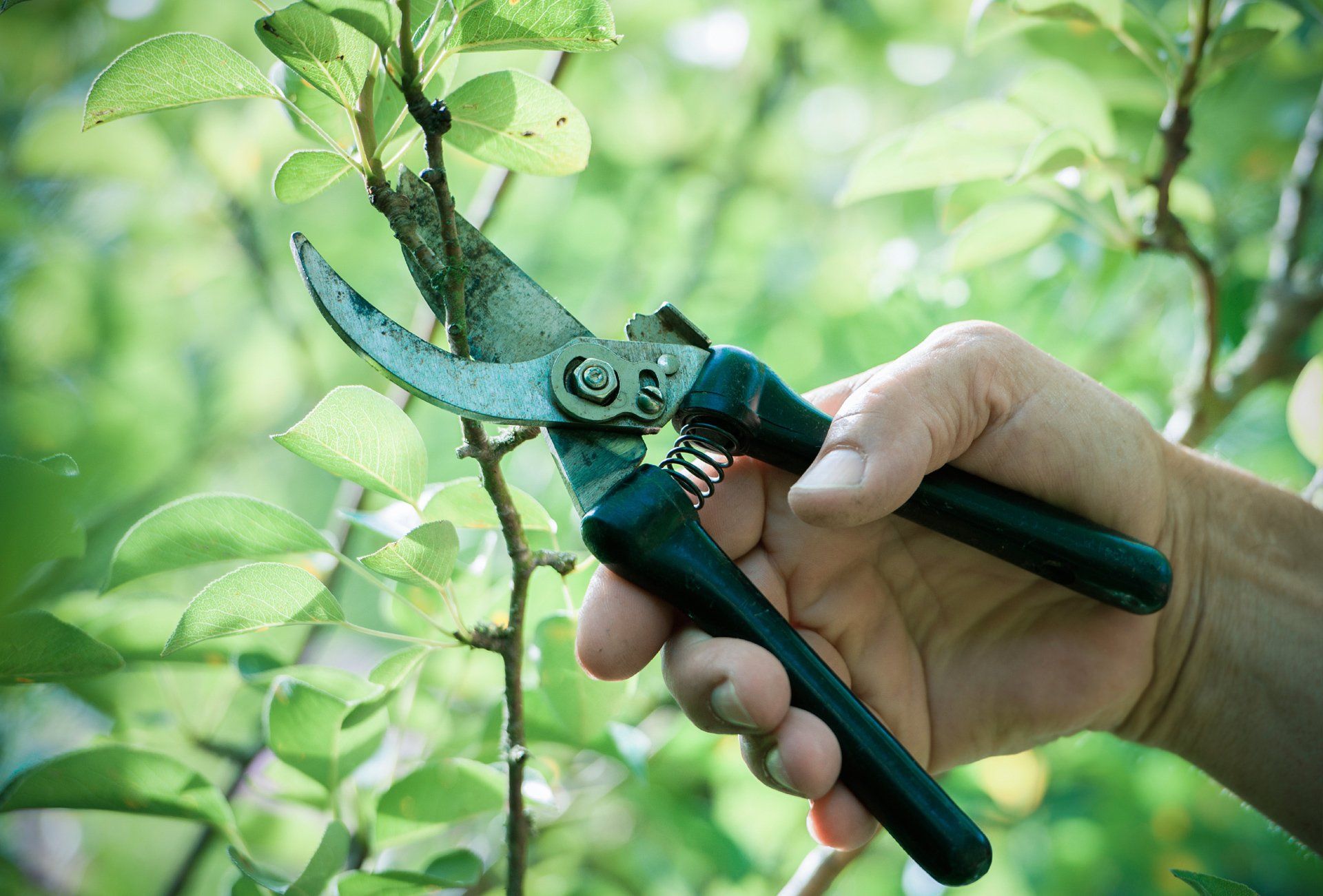
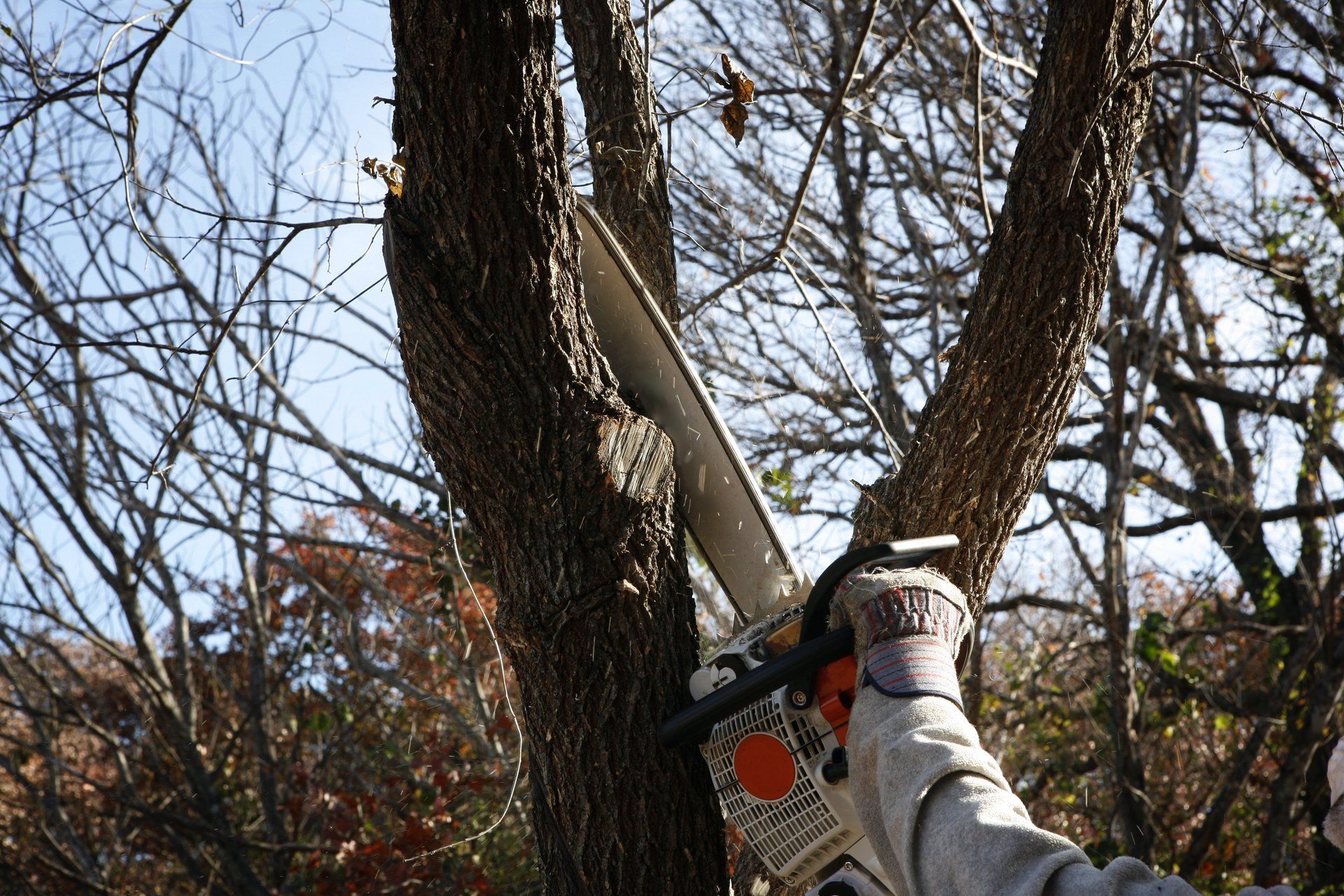
Regular tree trimming eliminates many of the conditions pests rely on to survive. By removing dead, damaged, or diseased branches, you reduce hiding places and food sources for insects and animals. Proper pruning also improves air circulation and sunlight exposure, creating an environment that is far less hospitable to pests and fungal growth.
Additionally, thinning out dense canopies discourages nesting by birds and rodents, which can introduce parasites and other secondary pest problems.
Protecting Your Home and Landscape
One of the biggest benefits of tree trimming is the added protection it provides for your home. Branches that touch or overhang your roof allow pests to bypass ground-level defenses entirely. Trimming trees back several feet from your house helps create a physical barrier, making it much harder for pests to gain entry.
This proactive approach can significantly reduce the need for chemical pest control treatments, saving you money while supporting a more environmentally friendly solution.
Supporting Tree Health Naturally
Healthy trees are naturally more resistant to pests and disease. Proper trimming encourages strong growth and helps trees heal more efficiently after storms or seasonal stress. When a tree is well-maintained, it’s better equipped to fend off infestations before they become serious problems.
Certified arborists understand how and when to prune to maximize tree health without causing unnecessary stress that could make the tree more vulnerable.
A Preventive Strategy That Pays Off
Tree trimming is more than routine maintenance—it’s a preventive pest control strategy that benefits your entire property. By addressing potential problem areas early, you reduce the likelihood of infestations that could damage your trees, landscaping, and home.
Scheduling regular tree inspections and trimming, especially before peak pest seasons, can help keep your yard safer, healthier, and pest-free year-round.
Stop Pests in Their Tracks - Schedule a Tree Trimming Service!
If your trees are overgrown or unhealthy, they could be inviting unwanted pests onto your property. The experienced tree trimming team at Hill’s Tree Service helps reduce pest habitats by removing dead, damaged, and overhanging branches that insects and rodents often rely on. Our precise trimming techniques promote healthier growth while making your landscape far less attractive to pests year-round. We also offer hazard trimming to eliminate weak limbs that can become nesting areas or entry points for pests near your home.
Tree trimming schedules vary depending on tree species and seasonal pest activity. Contact our tree company today to discuss your pest-prevention and tree-care needs with our knowledgeable staff. We’ll recommend the best time of year to trim your trees for maximum protection and schedule a convenient appointment. Hill’s Tree Service proudly serves Durham, Chapel Hill, Butner, Timberlake, NC, and surrounding areas.